
There’s something truly magical about transforming a humble vegetable into a vibrant, comforting dish that satisfies cravings without weighing you down. This Spaghetti Squash Chow Mein Recipe does exactly that. It blends the delicate strands of golden spaghetti squash with crisp veggies and a savory, asian-inspired sauce, delivering all the flavor and texture of traditional chow mein, but in a lighter, gluten-free way. If you’re looking for a fresh, colorful meal that feels indulgent yet wholesome, this recipe is your new best friend in the kitchen.
Ingredients You’ll Need
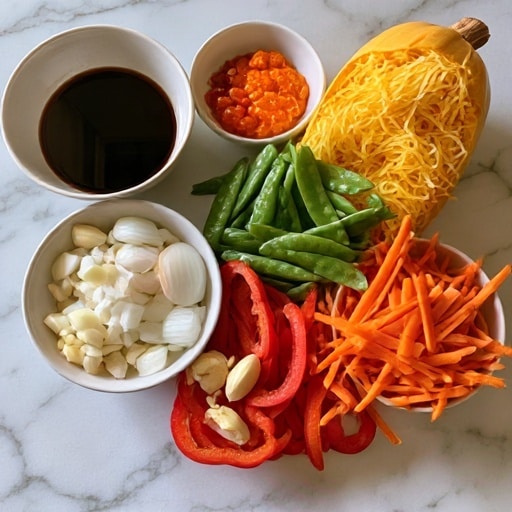
These ingredients are simple but essential, each bringing a unique flavor, texture, or pop of color that makes this dish irresistible. From the tender spaghetti squash strands to the bright crunch of snow peas and carrots, every element counts.
- 1 Spaghetti Squash (@3lbs or 1365g): The star of the dish, its natural strands mimic noodles beautifully and soak up every bit of sauce.
- 1 Tablespoon Olive Oil: Used for roasting the squash and adding a subtle richness to the vegetables.
- 2 tablespoons soy sauce or low sodium soy sauce: Brings that quintessential salty umami base; Tamari works great for a gluten-free option.
- 2 teaspoons rice vinegar: Adds a mild tang that brightens and balances the deeper flavors.
- 1 Tablespoon oyster sauce or hoisin (vegetarian): Provides depth and a touch of sweetness, elevating the sauce into something special.
- 1 tablespoon cooking oil (olive oil, grape seed oil, or any neutral oil): For sautéing the veggies without overpowering them.
- 1 small onion, diced: Gives a mild sweetness as it cooks down.
- 4 cloves garlic, minced: A must for that signature aromatic punch.
- 1 red bell pepper, thin sliced: Offers crunch and a vibrant red pop to the dish.
- 1 cup sliced snow peas or sugar snap peas: Brings a crisp, fresh bite that contrasts the soft squash.
- 1 large carrot, julienned: Adds sweetness and bright color.
- Kosher salt or sea salt, to taste: Enhances all the natural flavors.
- Fresh cracked black pepper, to taste: Adds just the right amount of heat and complexity.
- 1/4 cup chopped cilantro (optional): A fresh, herbaceous finish for those who love a green kick.
- Chili garlic sauce, sriracha or hot sauce (optional): For adding a spicy zing according to your preference.
How to Make Spaghetti Squash Chow Mein Recipe
Step 1: Roast the Spaghetti Squash
Start by preheating your oven to 375°F. Carefully slice the spaghetti squash in half lengthwise and scoop out the seeds and stringy bits—this part is oddly satisfying! Once prepped, place each half cut-side down on a lightly oiled sheet pan. Roast for about 45 minutes until the flesh is tender and naturally separates into spaghetti-like strands when scraped with a fork. This roasting step is where the magic happens, turning a simple squash into a noodle substitute that feels comforting and fun to eat.
Step 2: Prepare the Sauce
While the squash roasts, mix together the soy sauce, rice vinegar, and oyster or hoisin sauce in a medium bowl. This combination is your flavor powerhouse, combining salty, tangy, and slightly sweet notes that will coat your vegetables and squash with authentic chow mein flair. Set it aside so it can mingle and deepen while you cook the veggies.
Step 3: Sauté the Vegetables
In a large skillet over medium-high heat, warm your cooking oil. Toss in the diced onion and garlic and cook until they become soft and fragrant, about 2-3 minutes. Next, add the red bell pepper, snow peas, and julienned carrot. Sauté everything for a couple of minutes until the veggies just begin to soften but still retain a satisfying crunch. This part keeps the dish lively and colorful, with a great balance of textures.
Step 4: Combine Ingredients and Finish Cooking
Now, add the spaghetti squash strands into the skillet with the vegetables. Pour the prepared sauce over everything and stir gently, making sure each strand and veggie is coated. Cook for an additional minute, just until the strands are heated through—but be careful not to overcook or the squash will get mushy. Finish by seasoning with salt and freshly cracked black pepper to suit your taste.
How to Serve Spaghetti Squash Chow Mein Recipe

Garnishes
A simple sprinkle of chopped fresh cilantro brings a burst of color and herbal brightness that perfectly complements the rich sauce. If you love a bit of heat, a drizzle of chili garlic sauce, sriracha, or your favorite hot sauce adds a fiery kick that wakes up every bite.
Side Dishes
This Spaghetti Squash Chow Mein Recipe shines on its own as a satisfying main, but it pairs beautifully with light sides such as steamed edamame, a crisp cucumber salad, or even a small bowl of miso soup. These choices balance out the meal with fresh, clean flavors and keep it feeling light and nourishing.
Creative Ways to Present
For a fun twist, serve the chow mein right inside the spaghetti squash shells—just pile the strands back into the roasted halves and garnish on top. It makes for a stunning presentation, perfect for dinner parties or family meals that double as a conversation starter. Alternatively, serve it atop a bed of fresh greens or in lettuce wraps for an interactive and healthful eating experience.
Make Ahead and Storage
Storing Leftovers
Any leftovers should be cooled completely before transferring to an airtight container. Stored in the refrigerator, your Spaghetti Squash Chow Mein Recipe will stay fresh for up to 3 days. The flavors tend to deepen overnight, making it even tastier the next day.
Freezing
This dish freezes reasonably well, though the texture of the squash may soften a bit after thawing. Store portions in freezer-safe containers or bags for up to 2 months. When ready to enjoy, thaw overnight in the fridge and proceed with reheating gently.
Reheating
To reheat, place the leftovers in a skillet over low to medium heat and cook until warmed through, stirring occasionally. Avoid microwaving if possible, as gentle reheating on the stove helps preserve the squash’s texture and prevents it from becoming too mushy.
FAQs
Can I use a different vegetable instead of spaghetti squash?
Absolutely! While spaghetti squash is unique with its noodle-like texture, zoodles made from zucchini or even shirataki noodles can be excellent alternatives for a similar fresh and low-carb twist.
Is this recipe gluten-free?
Yes, as long as you use Tamari or a gluten-free soy sauce and hoisin sauce, this Spaghetti Squash Chow Mein Recipe is completely gluten-free and great for those with gluten sensitivities.
Can I make this dish vegan?
Definitely! Simply swap oyster sauce for hoisin sauce or a vegan stir-fry sauce alternative. The rest of the ingredients are already plant-based, making it a delicious vegan meal.
How spicy is this dish?
The dish as written isn’t spicy, but you can easily adjust the heat by adding chili garlic sauce or sriracha on the side or mixing it in to your liking. It’s all about your personal preference!
Can I meal prep this dish for lunch?
Yes! The Spaghetti Squash Chow Mein Recipe keeps well in the fridge and makes a fantastic, flavorful meal prep option that’s quick to reheat and enjoy during busy weekdays.
Final Thoughts
I can’t recommend this Spaghetti Squash Chow Mein Recipe enough for anyone craving something fresh, vibrant, and packed with texture and flavor. It’s a wonderful way to enjoy chow mein without the empty carbs, and it’s bound to become a beloved staple in your meal rotation. So grab a squash, gather those simple ingredients, and let the deliciousness begin!
Print
Spaghetti Squash Chow Mein Recipe
- Total Time: 65 minutes
- Yield: 4 servings
- Diet: Gluten Free
Description
This Spaghetti Squash Chow Mein is a healthy and delicious twist on traditional chow mein, replacing noodles with tender, baked spaghetti squash strands. Packed with colorful vegetables and a savory Asian-inspired sauce, this dish is perfect for a light yet satisfying vegetarian meal with an optional gluten-free version.
Ingredients
Spaghetti Squash
- 1 Spaghetti Squash (approx. 3 lbs or 1365g)
Sauce
- 2 tablespoons (30 ml) soy sauce or low sodium soy sauce (use Tamari for gluten free)
- 2 teaspoons (10 ml) rice vinegar or distilled white vinegar
- 1 tablespoon (15 ml) oyster sauce or hoisin sauce for vegetarian
Vegetables & Cooking
- 1 tablespoon (15 ml) olive oil
- 1 tablespoon (15 ml) olive oil, grape seed oil or any cooking oil
- 1 small onion, diced
- 4 cloves garlic, minced
- 1 red bell pepper, thinly sliced
- 1 cup (100 g) sliced snow peas or sugar snap peas
- 1 large carrot, julienned
- Kosher salt or sea salt, to taste
- Fresh cracked black pepper, to taste
- 1/4 cup (60 ml) chopped cilantro (optional)
- Chili garlic sauce, sriracha, or hot sauce (optional)
Instructions
- Preheat and Prepare Squash: Preheat your oven to 375°F (190°C). Lightly oil a sheet pan with olive oil to prevent sticking.
- Cut and Bake Squash: Carefully cut the spaghetti squash in half lengthwise. Use a spoon to scoop out seeds and strands. Place the halves cut side down on the oiled sheet pan.
- Bake Squash: Bake for about 45 minutes or until the flesh becomes tender and can be easily shredded into strands with a fork. Once baked, gently loosen and remove the spaghetti-like strands from the squash shells and set aside.
- Mix Sauce: In a medium bowl, combine soy sauce, rice vinegar, and oyster sauce or hoisin sauce if making it vegetarian. Set the sauce mixture aside.
- Cook Vegetables: Heat 1 tablespoon olive oil or preferred cooking oil in a large skillet over medium-high heat. Add diced onions and minced garlic, cooking until soft and fragrant.
- Add Bell Pepper, Peas, and Carrots: Add the sliced red bell pepper, snow peas, and julienned carrots to the skillet. Sauté the vegetables until tender but still crisp, about 2 minutes.
- Combine Squash and Sauce: Add the prepared spaghetti squash strands and the sauce mixture into the skillet with the cooked vegetables. Stir well to coat the squash evenly with the sauce.
- Heat Through: Cook everything together for about 1 more minute to allow flavors to meld while heating the squash through. Avoid overcooking to prevent mushiness.
- Season and Serve: Add salt and freshly cracked black pepper to taste. Garnish with chopped cilantro if desired and serve with chili garlic sauce, sriracha, or your choice of hot sauce on the side.
Notes
- Use Tamari instead of soy sauce for a gluten-free version.
- Substitute oyster sauce with hoisin sauce to keep it vegetarian.
- Do not overcook the spaghetti squash once added to the pan to avoid mushy texture.
- Adjust vegetables based on seasonal availability or preference.
- Spaghetti squash pairs well with additional proteins like tofu, chicken, or shrimp if desired.
- Prep Time: 15 minutes
- Cook Time: 50 minutes
- Category: Main Dish
- Method: Baking
- Cuisine: Asian Fusion


